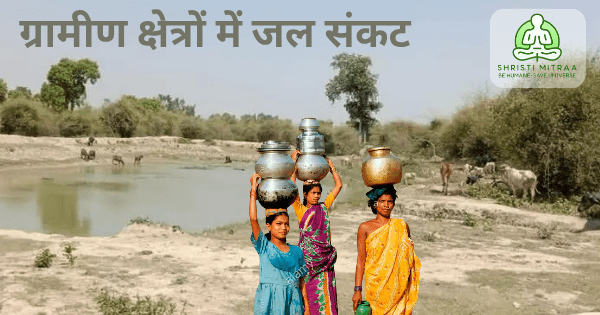

The year 2026 is being considered a crucial year for "water management" in most rural areas of India. Groundwater levels are rapidly declining, ponds and wells are drying up, and drinking water quality appears to be deteriorating. At this time, water scarcity is no longer just a warning of the future, but a present reality.
The water problem in villages is divided into two parts—first, water scarcity, and second, poor quality of available water. Together, these two are creating a crisis that is deeply affecting health, animal husbandry, agriculture, and rural life as a whole.
1. Why is the water crisis in 2026 considered more severe?
Over the past few years, the deterioration of weather patterns, erratic rainfall, and unusually high heat waves have led to an unprecedented decline in water levels in rural India. In many states, a large portion of the average rainfall occurs in a few days, while the rest of the time is drought-prone.
Additionally, excessive use of borewells, silting of ponds, and the destruction of traditional water sources are expected to worsen the situation by 2026.
- In many areas, water has to be drawn from depths of 600–1000 feet.
- Wells dry up within a few months of the rainy season.
- Ponds built for livestock do not hold water year-round.
- Water supply is available in every home, but pressure and supply are decreasing.
2. Deteriorating drinking water quality – a hidden threat.
Another, equally serious, aspect of the water crisis is the deteriorating quality of water. In rural areas:
- Fluoride and nitrate levels in the soil increase as moisture is lost.
- Water from pit toilets seeps into the groundwater.
- Chemicals from factories, brick kilns, and mining areas are leaching into the ground.
Consuming such water is leading to a rapid increase in dental and bone diseases, skin diseases, kidney problems, and malnutrition in children.
3. Increasing pressure on animal husbandry
The water crisis in villages has the greatest impact on animal husbandry. Animals like cows, buffaloes, goats, sheep, and camels require 30–60 liters of water daily.
But in many areas:
- Ponds dry up before grazing is over
- Hand pumps yield turbid water
- Borewell water with an unpleasant odor is the only option
This is leading to a rapid increase in milk production, dehydration, weight loss, and heat stress in animals.
4. Water Crisis 2026 – Is the Government Responsible?
Governments implement large-scale schemes, but water conservation is successful only when villages themselves take responsibility.
Many villages have accomplished miracles through collective efforts—refilling dried ponds, reviving streams, building small check dams in hilly areas, and collectively protecting trees.
This clearly demonstrates that the solution lies in village solidarity.
5. Practical Solutions to the Water Crisis in Rural Areas
5.1. Reviving Traditional Water Sources
Reviving wells, stepwells, ponds, and johads is considered the easiest and most effective solution.
- Desilting ponds
- Building percolation tanks
- De-silting drains
- Small check dams in hilly areas
5.2. Rainwater Harvesting – From Home to Farm
It is estimated that 30% of rainwater falling in India each year is lost instead of being absorbed into the ground. If villages initiate rainwater harvesting at the local level, this problem can be significantly reduced.
5.3. Tree Planting – The Simplest and Most Sustainable Solution
Trees increase groundwater recharge, strengthen soil, and maintain local moisture. Water conservation and plantation complement each other.
5.4. Creating Water Sources for Animals
Small ponds, makeshift ponds, and shaded water tanks can be built in every village for animals.
5.5. Plastic-Free Villages
Plastic blocks village drains, prevents rainwater drainage, and prevents water from seeping into the ground—this is also a major cause of water shortages.
6. A Combined Solution for Urban and Rural Water
The water crisis is not just a rural problem. The increasing number of borewells in cities further depletes rural water levels. Therefore, solutions must be found together—both urban and rural.
7. Preparing for 2026 – What to do today?
If we want to make 2026 the year of water conservation, we need to take concrete steps starting today:
- Every village should have an annual water “Report Card”
- Every household should have at least one rainwater pipe installed annually
- Every farmer should dig a small water harvesting pit in their field
- Every school should have an annual water conservation activity
- Every NGO and Panchayat should jointly adopt the “Drought-Free Village Model”
Conclusion
Water crisis 2026 is a serious challenge, but it is not impossible. Protecting trees, reviving water sources, rainwater harvesting, and community initiatives—all these steps together can bring back the waves of water in India's villages.
Nature has given us a vast resource of water, we just need to use it wisely.If we start today, we will definitely see results by 2026.
भारत के अधिकांश ग्रामीण इलाकों में 2026 का वर्ष “जल प्रबंधन” के लिए निर्णायक माना जा रहा है। भूजल स्तर तेज़ी से नीचे जा रहा है, तालाब और कुएँ सूख रहे हैं, और पेयजल की गुणवत्ता पहले से अधिक खराब होती दिख रही है। ऐसे समय में जल संकट सिर्फ भविष्य की चेतावनी नहीं, बल्कि वर्तमान की वास्तविकता बन चुका है।
गाँवों में पानी की समस्या दो हिस्सों में बँटी हुई है—पहला, पानी की कमी, और दूसरा, उपलब्ध पानी की खराब गुणवत्ता। यह दोनों मिलकर एक ऐसा संकट पैदा कर रहे हैं, जो स्वास्थ्य, पशुपालन, कृषि और पूरे ग्रामीण जीवन को गहराई से प्रभावित कर रहा है।
1. जल संकट 2026 क्यों अधिक गंभीर माना जा रहा है?
पिछले कुछ वर्षों में मौसम चक्र के बिगड़ने, अनियमित बारिश और गर्मी में असामान्य वृद्धि ने ग्रामीण भारत के जलस्तर को अप्रत्याशित रूप से घटाया है। कई राज्यों में औसत वर्षा का बड़ा हिस्सा कुछ ही दिनों में हो जाता है, बाकी समय सूखा पड़ जाता है।
इसके साथ ही बोरवेल का अत्यधिक उपयोग, तालाबों के गाद भरने और परम्परागत जलस्रोतों के नष्ट होने से 2026 में स्थिति और खराब होने की आशंका जताई जा रही है।
- कई इलाकों में 600–1000 फीट तक पानी खींचना पड़ रहा है
- कुएँ बारिश के कुछ ही महीनों में सूख जाते हैं
- पशुओं के लिए बने तालाबों में पूरे साल पानी नहीं टिकता
- घर-घर नल कनेक्शन तो है, पर दबाव और आपूर्ति कम होती जा रही है
2. पेयजल की गिरती गुणवत्ता – एक छिपा हुआ खतरा
जल संकट का दूसरा और उतना ही गंभीर पहलू है—पानी की खराब होती गुणवत्ता। ग्रामीण क्षेत्रों में:
- नमी खत्म होने पर मिट्टी में फ्लोराइड और नाइट्रेट की मात्रा बढ़ जाती है
- गड्ढ़ा खोदकर बने शौचालय का पानी रिसकर भूजल में मिल जाता है
- फैक्टरियों, ईंट भट्टों और खनन क्षेत्रों से रसायन ज़मीन में जा रहे हैं
ऐसे पानी का सेवन करने से दाँत और हड्डियों की बीमारियाँ, त्वचा रोग, गुर्दे की समस्या और बच्चों में पोषण की कमी के मामले तेजी से बढ़ रहे हैं।
3. पशुपालन पर बढ़ता दबाव
गाँवों में जल संकट का सबसे बड़ा असर पशुपालकों पर पड़ता है। गाय, भैंस, बकरी, भेड़ और ऊँट जैसे पशुओं के लिए रोज़ 30–60 लीटर पानी की आवश्यकता होती है।
लेकिन कई क्षेत्रों में:
- चरान छूटने से पहले ही तालाब सूख जाते हैं
- हैंडपंप से गंदला पानी निकलता है
- अप्रिय गंध वाला बोरवेल पानी ही एकमात्र विकल्प रह जाता है
इस कारण दूध उत्पादन घटने, पशुओं में निर्जलीकरण, वजन कम होने, और हीट स्ट्रेस बढ़ने के मामले तेजी से सामने आ रहे हैं।
4. जल संकट 2026 – क्या केवल सरकार जिम्मेदार है?
सरकारें बड़े स्तर पर योजनाएँ चलाती हैं, लेकिन जल संरक्षण तभी सफल होता है जब गाँव के लोग खुद इसकी जिम्मेदारी लें।
कई गाँवों ने सामूहिक प्रयासों से चमत्कार किए हैं—सूखे तालाबों को फिर से भरा, नालों का पुनर्जीवन किया, पहाड़ी क्षेत्रों में छोटे चेक-डैम बनाए, और पेड़ों की सामूहिक रक्षा की।
इससे स्पष्ट होता है कि समाधान गाँव की एकजुटता में ही छिपा है।
5. ग्रामीण क्षेत्रों में जल संकट के व्यावहारिक समाधान
5.1. परम्परागत जलस्रोतों का पुनर्जीवन
कुएँ, बावड़ी, तालाब और जोहड़ को पुनर्जीवित करना सबसे आसान और सबसे प्रभावी उपाय माना जाता है।
- तालाबों से गाद निकालना
- परकोलेशन टैंक बनाना
- नालों का डी-सिल्टिंग
- पहाड़ी क्षेत्रों में छोटे-छोटे चेक-डैम
5.2. वर्षा जल संचयन – घर से लेकर खेत तक
अनुमान है कि हर साल भारत में गिरने वाला वर्षा जल जमीन में समाने के बजाय बहकर खत्म हो जाता है। गाँव अगर स्थानीय स्तर पर वर्षाजल संचयन शुरू करें तो यह समस्या काफी हद तक कम हो सकती है।
5.3. पेड़ लगाना – सबसे सरल और स्थायी समाधान
पेड़ भूजल रिचार्ज को बढ़ाते हैं, मिट्टी को मजबूती देते हैं और स्थानीय आर्द्रता बनाए रखते हैं। जल संरक्षण और plantation एक-दूसरे के पूरक हैं।
5.4. पशुओं के लिए जलस्रोत बनाना
गाँव-गाँव में पशुओं के लिए छोटे तालाब, कच्चे-पक्के कुंड, और छायादार जलपात्र बनाए जा सकते हैं।
5.5. प्लास्टिक मुक्त गाँव
प्लास्टिक गाँव की नालियों को बंद करता है, वर्षाजल की निकासी को रोकता है और पानी को ज़मीन में जाने नहीं देता—यह भी जमीन में पानी न पहुंचने का बड़ा कारण है।
6. शहरी और ग्रामीण – दोनों का मिलाजुला समाधान
जल संकट केवल गाँव की समस्या नहीं है। शहरों में बढ़ते borewell ग्रामीण जलस्तर को और नीचे खींच लेते हैं। इसलिए समाधान एकजुट होकर करना होगा—शहर और गाँव दोनों मिलकर।
7. 2026 की तैयारी – आज क्या करें?
अगर हम 2026 को जल संरक्षण का वर्ष बनाना चाहते हैं तो आज से ही कुछ ठोस कदम उठाने होंगे:
- हर गाँव में पानी की वार्षिक “Report Card” बनना चाहिए
- हर घर में साल में कम से कम 1 रेनवॉटर पाइप लगना चाहिए
- हर किसान को खेत में एक छोटा जलसंचयन गड्ढा बनाना चाहिए
- हर स्कूल में जल-संरक्षण की वार्षिक गतिविधि होना चाहिए
- हर NGO और पंचायत को मिलकर “सूखा-रहित गाँव मॉडल” अपनाना चाहिए
निष्कर्ष
जल संकट 2026 एक गंभीर चुनौती है, लेकिन यह असंभव नहीं है। पेड़ों की रक्षा, जलस्रोतों का पुनर्जीवन, वर्षाजल संचयन और सामुदायिक पहल—ये सभी कदम मिलकर भारत के गाँवों में फिर से जल की लहरें ला सकते हैं।
प्रकृति ने हमें पानी का अपार संसाधन दिया है, बस हमें इसे सही समझदारी से उपयोग करना है। आज शुरू करेंगे तो 2026 तक परिणाम अवश्य दिखेंगे।